
NZ Office Cleaning Schedule Guide: How to Create a Cleaning Routine That Works
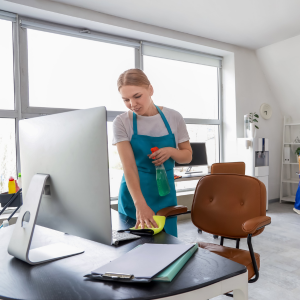
A clean office doesn’t happen by accident. Without a structured cleaning schedule, important hygiene tasks are often missed, shared spaces become unhygienic, and workplace cleanliness standards gradually decline. Over time, this can lead to unpleasant smells, increased illness among staff, reduced productivity, and a poor impression on clients and visitors.
Many businesses assume occasional cleaning or reactive tidying is enough to maintain a healthy workplace. In reality, effective office hygiene requires consistency, accountability, and a clear cleaning routine that covers daily, weekly, and monthly tasks.
In this guide, we’ll explain how to create an office cleaning schedule that actually works for New Zealand workplaces. You’ll learn which tasks should be completed daily, how often different office areas should be cleaned, common mistakes businesses make, and practical strategies to maintain a cleaner, healthier, and more productive office environment.
Why Every Office Needs a Cleaning Schedule
An office cleaning schedule is more than a checklist — it’s a system that helps maintain workplace hygiene standards consistently over time.
Without a clear schedule, cleaning responsibilities often become inconsistent. Some tasks are completed too infrequently, while others are forgotten entirely. Shared areas such as kitchens, bathrooms, meeting rooms, and reception spaces can quickly become unhygienic when cleaning routines are unclear.
A proper office cleaning schedule helps businesses:
- Maintain workplace hygiene standards
- Reduce the spread of bacteria and illness
- Improve employee wellbeing
- Create a professional environment for visitors
- Extend the life of office furniture and flooring
- Prevent unpleasant odours and hygiene issues
- Improve accountability and consistency
For businesses across New Zealand, maintaining a hygienic office environment has become increasingly important as employees and visitors expect cleaner and healthier workplaces.
The Hidden Cost of Poor Office Cleaning
Many businesses only recognise hygiene problems once they become obvious. However, poor cleaning routines can create long-term issues that affect both employees and business performance.
Poor workplace hygiene may contribute to:
- Increased sick leave
- Reduced staff productivity
- Lower employee morale
- Negative customer impressions
- Faster wear and tear on office assets
- Pest problems
- Persistent office odours
Even small hygiene issues can escalate quickly when cleaning schedules are inconsistent.
For example, neglected kitchen areas may attract bacteria and pests, while poorly maintained bathrooms can create unpleasant smells and damage employee perceptions of workplace standards.
Persistent odours can be especially frustrating for businesses because they often remain even after regular cleaning has been completed. In many cases, unpleasant smells are caused by hidden hygiene issues, poor ventilation, or bacteria build-up in overlooked areas rather than surface dirt alone. If your workplace continues to smell unpleasant despite ongoing cleaning efforts, our article Why Does Your Office Still Smell Bad After Cleaning? explores the common causes of lingering office odours and practical steps businesses can take to eliminate them effectively.
Why Some Office Cleaning Schedules Fail
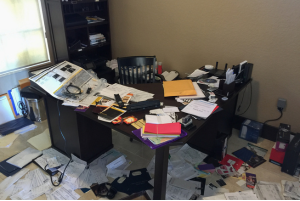
Many office cleaning routines fail because they are unrealistic, inconsistent, or poorly communicated.
Common mistakes include:
- No clear responsibilities assigned
- Cleaning tasks being too vague
- Infrequent deep cleaning
- Shared spaces being overlooked
- Cleaning only when problems appear
- Using unsuitable cleaning products
- No accountability system
An effective cleaning schedule should be practical, easy to follow, and tailored to the specific needs of the workplace.
Step 1: Identify Your Office Cleaning Needs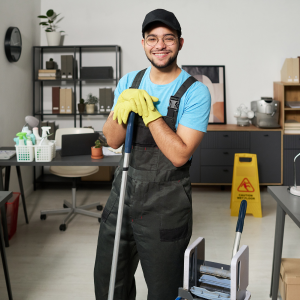
Every office environment is different.
A small office with five employees will require a different cleaning schedule than a large workplace with multiple kitchens, bathrooms, and meeting spaces.
Before creating a cleaning plan, assess:
- Office size
- Number of employees
- Shared facilities
- Foot traffic levels
- Client-facing areas
- Carpeted vs hard flooring
- Kitchen usage
- Bathroom usage
- Waste generation
Understanding these factors will help determine how frequently different tasks need to be completed.
Step 2: Divide Tasks Into Daily, Weekly, and Monthly Cleaning
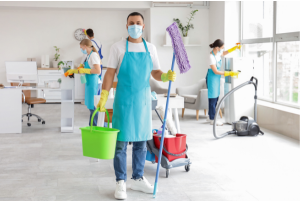
One of the most effective ways to create a manageable office cleaning schedule is to separate tasks by frequency.
Daily Office Cleaning Tasks
Daily cleaning focuses on hygiene maintenance and high-use areas.
Reception & Shared Areas
- Empty rubbish bins
- Wipe reception desks
- Sanitise high-touch surfaces
- Vacuum high-traffic areas
- Clean fingerprints from glass surfaces
Desks & Workstations
Kitchen Areas
- Empty food bins
- Wipe benches and tables
- Clean sinks
- Sanitise handles and appliances
- Remove expired food
Bathrooms
- Clean toilets and sinks
- Refill soap and paper products
- Mop floors
- Sanitise touchpoints
- Empty sanitary bins
Daily cleaning is essential for preventing bacteria build-up and maintaining workplace hygiene standards.
Weekly Office Cleaning Tasks
Weekly cleaning should address deeper cleaning needs that daily routines may not fully cover.
Floors & Carpets
- Vacuum thoroughly
- Mop hard floors
- Spot clean stains
Kitchen Deep Cleaning
- Clean microwaves thoroughly
- Wipe fridge shelves
- Clean drains
- Sanitise bins
Office Equipment
- Dust monitors and electronics
- Clean printers and shared devices
Meeting Rooms
- Sanitise tables and chairs
- Clean presentation equipment
Weekly cleaning helps prevent gradual build-up of dirt, grime, and bacteria.
Monthly Office Cleaning Tasks
Monthly cleaning focuses on maintenance and long-term hygiene management.
Deep Cleaning Tasks
- Carpet deep cleaning
- Upholstery cleaning
- Air vent cleaning
- Window cleaning
- Wall spot cleaning
Hygiene Audits
- Check cleaning supply levels
- Review cleaning effectiveness
- Identify recurring hygiene problems
Maintenance Checks
- Look for mould or dampness
- Check ventilation systems
- Inspect waste storage areas
Monthly tasks help maintain long-term workplace cleanliness and reduce future maintenance costs.
Step 3: Prioritise High-Touch Surfaces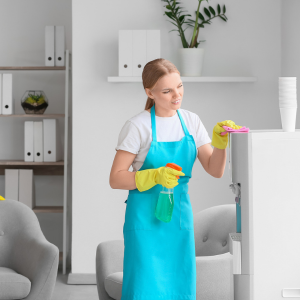
High-touch surfaces are some of the biggest sources of bacteria spread in office environments.
These areas should be cleaned and sanitised frequently.
Common High-Touch Surfaces
- Door handles
- Light switches
- Shared keyboards
- Phones
- Kitchen handles
- Elevator buttons
- Meeting room equipment
- Bathroom fixtures
These surfaces can quickly spread bacteria between employees if not cleaned regularly.
Step 4: Create Clear Cleaning Responsibilities
One of the biggest reasons office cleaning schedules fail is confusion around responsibility.
Employees may assume someone else will handle certain tasks.
To avoid this:
- Assign responsibilities clearly
- Use visible cleaning checklists
- Create accountability systems
- Schedule regular reviews
If using professional cleaners, ensure responsibilities between staff and cleaners are clearly defined.
Step 5: Use the Right Cleaning Products
Cleaning products play a major role in hygiene effectiveness.
Using low-quality or unsuitable products may reduce cleaning effectiveness and leave surfaces improperly sanitised.
Businesses should choose products designed for commercial workplace environments.
Important considerations include:
- Surface compatibility
- Hygiene effectiveness
- Odour control
- Ease of use
- Environmental impact
Using quality workplace cleaning consumables can improve both cleaning results and efficiency.
Step 6: Focus on Office Kitchens and Bathrooms
Kitchens and bathrooms require special attention because they are high-risk hygiene areas.
Office Kitchen Cleaning Priorities
- Food waste management
- Fridge cleaning
- Sink sanitation
- Appliance cleaning
- Surface disinfection
Bathroom Cleaning Priorities
- Toilet sanitation
- Floor cleaning
- Odour control
- Hygiene consumable restocking
- Drain cleaning
Neglecting these areas often leads to hygiene complaints and unpleasant workplace odours.
Step 7: Build Cleaning Into Workplace Culture
A cleaning schedule works best when workplace hygiene becomes part of company culture.
Encourage employees to:
- Clean up after themselves
- Report hygiene issues quickly
- Follow kitchen cleanliness rules
- Dispose of waste properly
A cleaner workplace is easier to maintain when everyone contributes.
Common Office Cleaning Mistakes to Avoid
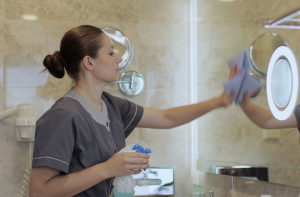
Even businesses with cleaning schedules can make mistakes that reduce effectiveness.
1. Cleaning Only Visible Dirt
Bacteria and germs are often invisible.
Cleaning should focus on hygiene, not just appearance.
2. Forgetting Shared Spaces
Shared kitchens and meeting rooms often become hygiene hotspots.
3. Ignoring Ventilation
Poor airflow can contribute to stale smells and poor air quality.
4. Using Dirty Cleaning Equipment
Dirty mops and cloths can spread bacteria instead of removing it.
5. Inconsistent Cleaning Frequency
Skipping scheduled cleaning tasks often leads to larger hygiene issues later.
How Office Cleaning Supports Employee Wellbeing
A clean workplace supports healthier and more productive employees.
Employees are more likely to feel comfortable and motivated in hygienic environments.
Benefits of strong workplace hygiene include:
- Reduced illness spread
- Improved morale
- Better workplace satisfaction
- Improved productivity
- Stronger professional image
Clean workplaces also help businesses demonstrate care for employee wellbeing.
Should You Hire Professional Office Cleaners?
Some businesses manage cleaning internally, while others use professional cleaning services.
Professional cleaners may be beneficial for:
- Large offices
- High-traffic workplaces
- Deep cleaning tasks
- Specialist cleaning requirements
Professional cleaning services can help maintain higher consistency and hygiene standards.
Why Consistency Matters More Than Intensity
One deep clean every few months won’t replace consistent daily hygiene management.
Small cleaning tasks completed regularly are often more effective than occasional intensive cleaning.
Consistency helps prevent:
- Odour build-up
- Bacteria spread
- Pest problems
- Dirt accumulation
- Workplace hygiene complaints
A successful office cleaning schedule is built around regular maintenance.
Sample Office Cleaning Schedule
Daily Tasks
- Empty bins
- Clean bathrooms
- Wipe kitchen surfaces
- Sanitise touchpoints
- Vacuum high-traffic areas
Weekly Tasks
- Deep clean kitchen appliances
- Mop floors
- Sanitise bins
- Dust electronics
- Clean meeting rooms
Monthly Tasks
- Carpet deep cleaning
- Vent cleaning
- Upholstery cleaning
- Hygiene inspections
This structure can be adjusted based on office size and workplace needs.
Office Cleaning Schedule Checklist
Use this checklist to help maintain a consistent office cleaning routine.
Daily Checklist
- Bins emptied
- Bathrooms cleaned
- Kitchen surfaces sanitised
- Shared equipment wiped down
- Floors vacuumed
Weekly Checklist
- Fridges cleaned
- Drains cleaned
- Floors mopped
- Furniture dusted
- Bins sanitised
Monthly Checklist
- Carpet deep cleaned
- Air vents checked
- Upholstery cleaned
- Hygiene audit completed
Why Trust Insinc for Workplace Hygiene Solutions
Creating an effective office cleaning schedule requires more than good intentions — it also depends on using reliable cleaning systems, quality hygiene products, and practical workplace solutions that support consistent cleaning routines.
At Insinc Products, we help New Zealand businesses maintain cleaner, healthier, and more professional workplaces with quality cleaning and hygiene solutions designed for commercial environments.
Whether your workplace needs reliable cleaning consumables, hygiene products, or support improving workplace cleanliness systems, our team understands the challenges businesses face in maintaining high hygiene standards every day.
Businesses across New Zealand trust Insinc because we focus on:
- Reliable workplace cleaning and hygiene solutions
- Commercial-grade cleaning consumables
- Products designed for busy workplaces
- Supporting healthier workplace environments
- Helping businesses improve hygiene consistency
A strong office cleaning schedule becomes far more effective when supported by the right products and systems.
Frequently Asked Questions
How often should an office be cleaned?
High-use areas such as kitchens, bathrooms, and shared touchpoints should typically be cleaned daily. Deep cleaning tasks may be completed weekly or monthly depending on office size and usage.
What should be included in an office cleaning schedule?
An office cleaning schedule should include daily, weekly, and monthly tasks covering bathrooms, kitchens, workstations, floors, shared equipment, and high-touch surfaces.
Why is workplace hygiene important?
Good workplace hygiene helps reduce illness spread, improve employee wellbeing, and maintain professional workplace standards.
Should employees clean their own desks?
Employees can help maintain cleanliness by keeping desks tidy and wiping shared equipment, but businesses should still maintain structured cleaning routines.
How do you maintain office cleanliness consistently?
Consistency requires clear responsibilities, structured schedules, quality cleaning products, and regular monitoring.
Final Thoughts
A clean office isn’t just about appearances — it’s about creating a healthier, safer, and more productive workplace environment.
Without a proper office cleaning schedule, hygiene tasks can easily be missed, allowing bacteria, dirt, and unpleasant odours to build up over time.
By creating a structured cleaning routine with clear responsibilities and consistent maintenance, businesses can improve workplace hygiene standards, support employee wellbeing, and maintain a more professional environment for staff and visitors alike.
For New Zealand workplaces, investing in effective cleaning systems and quality hygiene products can make a significant difference in long-term workplace cleanliness and operational standards.
At Insinc Products, we help businesses across New Zealand create cleaner and healthier workplaces with trusted cleaning and hygiene solutions designed for real commercial environments.
https://www.insinc.co.nz/category/cleaning-supplies.html
Posted: Friday 24 April 2026