
Why Does Your Office Still Smell Bad After Cleaning? Hidden Causes & Proven Solutions for New Zealand Workplaces
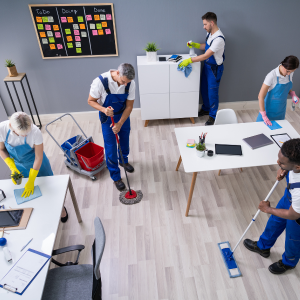
You’ve emptied the bins, vacuumed the floors, wiped down surfaces, and sprayed air freshener throughout the office — yet somehow the unpleasant smell keeps coming back. If your office still smells bad after cleaning, you’re not alone. Many New Zealand workplaces struggle with lingering odours caused by hidden bacteria, poor cleaning routines, moisture build-up, contaminated soft furnishings, or overlooked hygiene hotspots.
Persistent office odours are more than just unpleasant. They can affect employee wellbeing, productivity, workplace morale, and even the impression your business leaves on clients and visitors. In many cases, bad smells are a warning sign that deeper hygiene issues need to be addressed.
In this guide, we’ll explain the most common causes of persistent office smells, why standard cleaning often doesn’t solve the problem, and the practical steps businesses can take to create a fresher, healthier workplace environment.
Why Office Odours Are More Serious Than You Think
Many businesses underestimate how strongly workplace smells influence people’s perceptions. Employees spend long hours in office environments, and unpleasant smells can quickly create discomfort, distraction, and frustration.
Research has shown that indoor air quality and workplace cleanliness can directly impact concentration, productivity, and staff wellbeing. Persistent odours may also indicate the presence of bacteria, mould, mildew, or poor ventilation — all of which can contribute to unhealthy working conditions.
For client-facing businesses, office odours can also damage professionalism and brand perception. A bad-smelling office may leave visitors questioning overall cleanliness and hygiene standards.
Common office odours include:
- Musty smells
- Sour or damp smells
- Overflowing rubbish odours
- Bathroom smells
- Kitchen or food-related odours
- Carpet and upholstery smells
- Mould or mildew smells
- Strong chemical cleaning smells
- Stale air and poor ventilation odours
The key to solving these problems is identifying the real source rather than simply masking the smell.
Why Cleaning Alone Often Doesn’t Remove Office Smells

One of the biggest misconceptions in workplace hygiene is that visible cleanliness automatically means hygienic cleanliness.
An office may appear clean on the surface while bacteria, moisture, food residue, or organic waste continue producing unpleasant odours behind the scenes.
In many cases, standard cleaning routines focus on appearance rather than odour-causing contamination.
Common problems include:
- Surfaces being wiped but not disinfected
- Bins being emptied but not sanitised
- Carpets being vacuumed but not deep cleaned
- Kitchens being cleaned without addressing drains or appliances
- Air fresheners masking smells rather than removing them
- Poor ventilation trapping stale air
Without addressing the root cause, smells often return within hours or days.
The Most Common Causes of Bad Office Smells
1. Dirty Office Bins and Waste Areas
Office rubbish bins are one of the most common sources of lingering odours.
Even when rubbish bags are removed regularly, liquids and food residue often leak into the bin itself. Over time, bacteria builds up and creates persistent smells.
This problem becomes worse in shared office kitchens where food waste is disposed of throughout the day.
Signs Your Bins Are the Problem
- Sour or rotten smells near desks or kitchens
- Odours strongest after lunch hours
- Smells returning quickly after bins are emptied
Solutions
- Sanitise bins regularly, not just empty them
- Use quality bin liners that reduce leakage
- Separate food waste from general waste
- Clean waste collection areas weekly
- Use sealed bins in kitchen areas
Businesses should also ensure waste is removed frequently, especially during warmer months when bacteria grows faster.
2. Office Kitchen Hygiene Problems
Shared office kitchens are notorious for creating unpleasant smells.
Small spills, forgotten food, dirty microwaves, old sponges, and contaminated drains can all contribute to persistent odours.
Common Kitchen Odour Sources
- Food left in fridges too long
- Dirty dishcloths and sponges
- Blocked or dirty sink drains
- Microwave food splatters
- Old coffee grounds
- Overflowing food bins
Solutions
Create clear kitchen hygiene expectations for staff, including:
- Weekly fridge clean-outs
- Daily wiping of appliances
- Regular drain cleaning
- Frequent sponge replacement
- Immediate disposal of expired food
Using proper commercial-grade cleaning products can also help eliminate bacteria rather than simply masking smells.
3. Carpets and Soft Furnishings Holding Odours
Carpets absorb odours over time, especially in high-traffic office environments.
Coffee spills, moisture, food particles, and dust build-up can create stale smells that vacuuming alone won’t remove.
Office chairs and fabric partitions can also trap odours.
Signs Carpets Are Causing Smells
- Musty smell after rain or humidity
- Smells stronger in meeting rooms or walkways
- Odours increase during warmer weather
Solutions
- Schedule regular deep carpet cleaning
- Address spills immediately
- Improve ventilation
- Use moisture control measures
- Clean upholstered furniture regularly
Businesses often underestimate how much odour soft furnishings absorb over time.
4. Poor Ventilation and Stale Air
Sometimes the issue isn’t cleaning at all — it’s airflow.
Poorly ventilated offices trap smells, moisture, and airborne contaminants.
This creates stale indoor air that can make the entire office feel unpleasant.
Signs of Poor Ventilation
- Stuffy or heavy air
- Condensation on windows
- Persistent smells despite cleaning
- Staff complaining about air quality
Solutions
- Improve airflow where possible
- Service HVAC systems regularly
- Replace air filters
- Increase fresh air circulation
- Use ventilation systems correctly
Good airflow plays a major role in maintaining workplace hygiene and comfort.
5. Hidden Moisture and Mould Problems
Dampness is a major contributor to office odours.
Leaks, condensation, or hidden moisture behind walls and furniture can create mould and mildew growth.
These smells are often described as musty or earthy.
Common Moisture Sources
- Leaking pipes
- Roof leaks
- Poor ventilation
- Damp carpets
- Condensation
Why This Matters
Mould doesn’t just smell bad — it may also impact indoor air quality and employee health.
Solutions
- Investigate persistent damp smells immediately
- Repair leaks quickly
- Dry wet areas thoroughly
- Monitor humidity levels
- Use professional remediation if mould is present
6. Dirty Washrooms and Hygiene Facilities
Office bathrooms are another major source of lingering odours.
Even if toilets appear clean, bacteria and moisture build-up can create persistent smells.
Common Causes
- Poor ventilation
- Dirty grout and flooring
- Overflowing sanitary bins
- Urine splashes around fixtures
- Drain build-up
Solutions
- Increase cleaning frequency
- Use proper disinfectants
- Ensure adequate ventilation
- Clean drains regularly
- Maintain hygiene consumables consistently
Businesses should also ensure washrooms are stocked with quality hygiene products to encourage proper hand hygiene.
Why Air Fresheners Don’t Solve the Problem
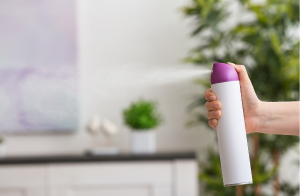
One of the most common mistakes businesses make is relying heavily on air fresheners.
While fragrances may temporarily cover smells, they rarely remove the source of the odour.
In some cases, mixing strong fragrances with bad smells can make the environment even more unpleasant.
Real odour control requires:
- Removing bacteria
- Eliminating moisture
- Improving airflow
- Cleaning deeply, not superficially
- Maintaining hygiene systems consistently
How to Create an Office Hygiene Routine That Prevents Odours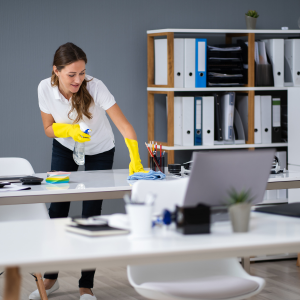
Preventing smells is far easier than dealing with long-term odour problems later.
An effective office hygiene routine should include both visible cleaning and deeper hygiene management.
Daily Tasks
- Empty rubbish bins
- Clean kitchen surfaces
- Sanitise shared touchpoints
- Check bathrooms regularly
- Remove food waste
Weekly Tasks
- Sanitise bins
- Clean drains
- Deep clean kitchen appliances
- Vacuum thoroughly
- Check for moisture issues
Monthly Tasks
- Deep carpet cleaning
- Air vent inspections
- Upholstery cleaning
- Hygiene audits
Consistency is critical.
The Link Between Office Hygiene and Employee Wellbeing
A fresh and hygienic workplace supports more than cleanliness alone.
Employees are more likely to feel comfortable, valued, and productive in a clean environment.
Poor office hygiene may contribute to:
- Increased sick leave
- Lower morale
- Reduced productivity
- Workplace dissatisfaction
- Negative client impressions
Investing in proper workplace hygiene can help create a healthier and more positive office culture.
Choosing the Right Cleaning and Hygiene Products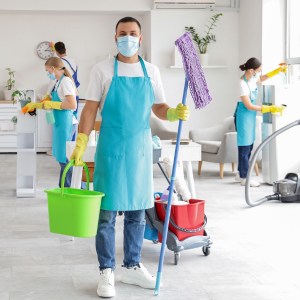
Not all cleaning products are equally effective.
Some products simply spread dirt around or mask odours temporarily.
Businesses should choose products designed to:
- Remove bacteria effectively
- Neutralise odours
- Support workplace hygiene standards
- Reduce chemical residue
- Improve cleaning efficiency
Using quality consumables such as effective bin liners, hygiene products, and cleaning systems can make a significant difference in long-term odour prevention.
Why Trust Insinc for Workplace Hygiene Solutions
Persistent office odours are often a sign that standard cleaning routines and products aren’t addressing the real source of the problem. That’s where Insinc can help.
With years of experience supporting New Zealand workplaces, Insinc provides trusted cleaning and hygiene solutions designed to help businesses maintain cleaner, fresher, and healthier environments every day.
Whether you need reliable cleaning consumables, workplace hygiene products, or guidance on improving your office cleaning systems, our team understands the practical challenges businesses face and can help you choose solutions that work.
Businesses across New Zealand trust Insinc because we focus on:
- Quality workplace cleaning and hygiene products
- Reliable supply solutions for businesses
- Products designed for high-use commercial environments
- Supporting healthier and more hygienic workplaces
- Helping businesses maintain professional standards
If your workplace is struggling with ongoing odour or hygiene issues, contact Insinc to learn more about the right cleaning and hygiene solutions for your business. Early action can help prevent larger hygiene problems while creating a cleaner and more comfortable environment for staff and visitors alike.
Practical Checklist: How to Eliminate Office Odours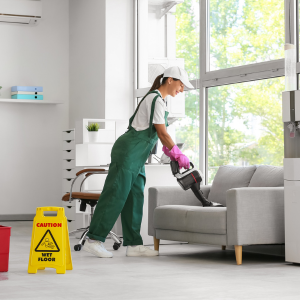
Use this quick checklist to identify common causes of workplace smells:
Office Odour Prevention Checklist
Waste Management
- Are bins sanitised regularly?
- Are food bins emptied daily?
- Are bin liners high quality?
Kitchen Hygiene
- Is expired food removed weekly?
- Are drains cleaned regularly?
- Are sponges replaced often?
Carpets & Furnishings
- Have carpets been deep cleaned recently?
- Are spills cleaned immediately?
Ventilation
- Are HVAC systems maintained?
- Is fresh air circulating properly?
Moisture Control
- Are there signs of dampness?
- Have leaks been checked?
Washroom Hygiene
- Are washrooms cleaned frequently?
- Are hygiene consumables stocked consistently?
Keeping an office consistently clean requires more than occasional tidying — it depends on having a structured and reliable cleaning routine in place. Without a clear schedule, important hygiene tasks can easily be overlooked, leading to build-ups of dirt, bacteria, and unpleasant odours over time. If you want to improve workplace cleanliness and maintain higher hygiene standards, our article How to Create an Office Cleaning Schedule That Actually Works explores practical strategies for building an effective cleaning plan that keeps your workplace fresh, organised, and hygienic year-round.
Frequently Asked Questions
Why does my office smell bad even after cleaning?
This usually happens because the source of the odour hasn’t been fully removed. Common causes include bacteria build-up, dirty bins, hidden moisture, poor ventilation, or contaminated carpets and soft furnishings.
Can carpets cause office smells?
Yes. Carpets absorb moisture, dirt, spills, and bacteria over time. Vacuuming alone often won’t remove deep odours.
How often should office bins be cleaned?
Bins should be emptied regularly and sanitised frequently to prevent bacteria and odour build-up.
What causes musty smells in offices?
Musty smells are often linked to dampness, mould, poor ventilation, or moisture trapped in carpets or walls.
Do air fresheners remove office smells?
No. Air fresheners usually mask smells temporarily rather than removing the source.
Why is office hygiene important?
Good workplace hygiene supports employee wellbeing, productivity, and professional presentation while helping reduce the spread of illness.
Final Thoughts
If your office still smells bad after cleaning, the issue is often deeper than surface-level dirt.
Persistent workplace odours usually point to hidden hygiene problems, moisture issues, poor ventilation, or ineffective cleaning routines. Addressing these issues properly can improve employee wellbeing, workplace comfort, and overall business professionalism.
For New Zealand businesses, maintaining strong workplace hygiene standards is essential for creating healthy and productive environments.
At Insinc Products, we help workplaces across New Zealand improve hygiene standards with quality cleaning, hygiene, and workplace consumable solutions designed for real-world business environments.
A cleaner-smelling office isn’t just about appearances — it’s about creating a healthier and more professional workplace for everyone who walks through the door.
Looking to improve hygiene standards in your workplace? Explore the full range of cleaning, hygiene, and workplace consumable solutions from Insinc Products to help keep your office fresh, clean, and well-maintained.
https://www.insinc.co.nz/category/cleaning-products-supplies.html
Posted: Friday 24 April 2026